Before booking, confirm current requirements with the Thai DLD, your airline and the origin-country authority.
Source check details
Thailand’s own steps were checked on 7 October 2026 against the DLD’s manuals; the other sources cited on this page were checked on 1 August 2026. Thailand's Department of Livestock Development, airlines and origin-country authorities change their rules without notice. Treat this as orientation, then confirm every current requirement with the DLD, your airline and your origin-country authority before you book or travel.
Which pets this affects
‘Snub-nosed’ or brachycephalic means flat-faced, short-muzzled breeds. On the dog side that includes pugs, French and English bulldogs, Boston terriers, boxers, Pekingese and shih tzus; among cats, Persians and Himalayans. Their shortened airways make breathing less efficient than in a longer-nosed animal — and that is the whole reason air travel needs extra thought for them.
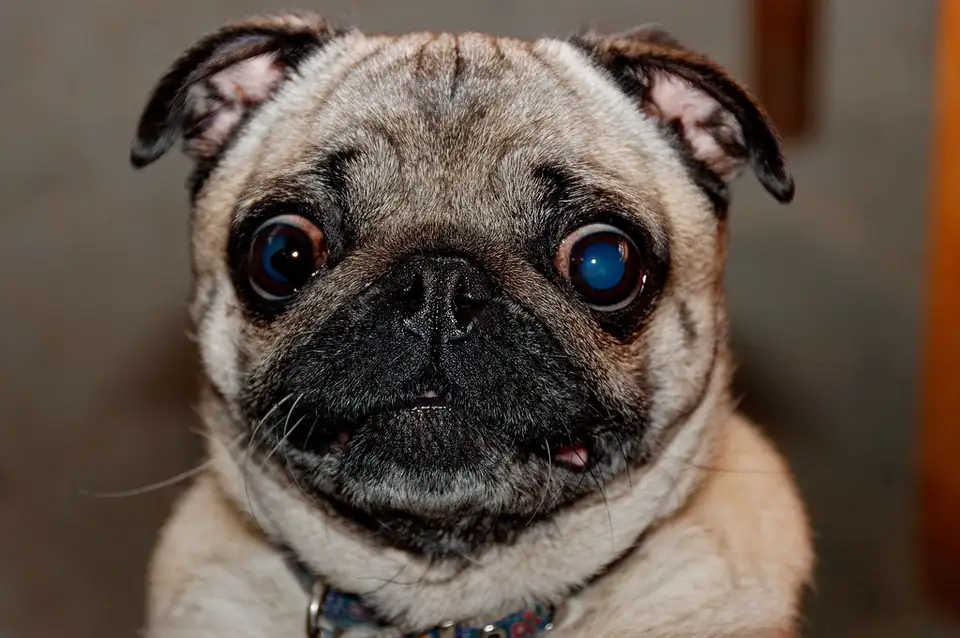
A pug: a flat-faced breed. Photo: Alex Brown, CC BY 2.0, via Flickr.
Why flying is higher-risk for them
Air travel means stress, confinement and, in the cargo hold, real swings in temperature and air. A brachycephalic pet copes less well with heat and stress than other pets, because its airway has less margin to spare. That is not a reason these pets cannot travel — many do — but it is the reason the journey has to be planned, not improvised.
Airlines often restrict these breeds
Because of that risk, many airlines restrict or refuse snub-nosed breeds, especially in the cargo hold. Policies vary a great deal between carriers and change over time. Do not assume your airline will carry your flat-faced pet: checking the specific airline’s current policy should be one of the first things you do, before you book flights or fix a moving date.
Container and acceptance checks
Obtain an individual fitness-to-travel assessment from a veterinarian and written acceptance from the operating airline. For a snub-nosed animal, IATA Container Requirement 1, Edition 52, says the container must be 10% larger than normally required. CR1 also covers escape-proof construction, metal door fasteners, ventilation, spacers, bedding and water. IATA does not approve crate brands; the airline makes the final acceptance decision. IATA CR1, Edition 52.
Ask the veterinarian and airline about routing, temperature restrictions, sedation policy and any breed embargo. This page has not clinically assessed your animal and does not promise that a particular itinerary is safe.
If your airline will not carry your pet
If your first-choice airline says no, you have options: another carrier with a different policy, a different routing, or a pet relocation specialist experienced in moving brachycephalic pets. The key is to find this out early, so it shapes your plan rather than derailing it.
What comes next
With airline clearance sorted, work through the full import process, the DLD import permit, and arrival at Suvarnabhumi.
Official sources
Official sources to verify against: Thai consular import guide (detailed scope: dogs, cats and rabbits from the United States); DLD AQS map.
Frequently asked
Which breeds count as snub-nosed?
Flat-faced, short-muzzled breeds — dogs such as pugs, French and English bulldogs, Boston terriers, boxers, Pekingese and shih tzus, and cats such as Persians and Himalayans. Their shorter airways are why air travel needs extra care.
Will an airline fly my flat-faced dog to Thailand?
It depends entirely on the airline. Many restrict or refuse snub-nosed breeds, particularly in cargo, and policies differ and change. Check the specific airline's current policy before you book anything.
How can I make the flight safer for a snub-nosed pet?
Ask a veterinarian to assess the individual animal and obtain written airline acceptance for the exact itinerary. Follow IATA CR1 and the carrier’s rules; CR1 requires a snub-nosed animal’s container to be 10% larger than normally required. No checklist can make an unsuitable animal or route safe.
Are airline embargoes seasonal for snub-nosed pets?
Many carriers restrict hold travel during hot months regardless of breed. Flat-faced pets face extra limits — confirm seasonal rules when you quote the route.
Should I get a fitness certificate for a brachycephalic pet?
A pre-travel vet check is wise and may be required by the airline. The vet can confirm breathing and fitness for the planned mode of travel.